The Epstein Files and the Stories Survivors Recognize
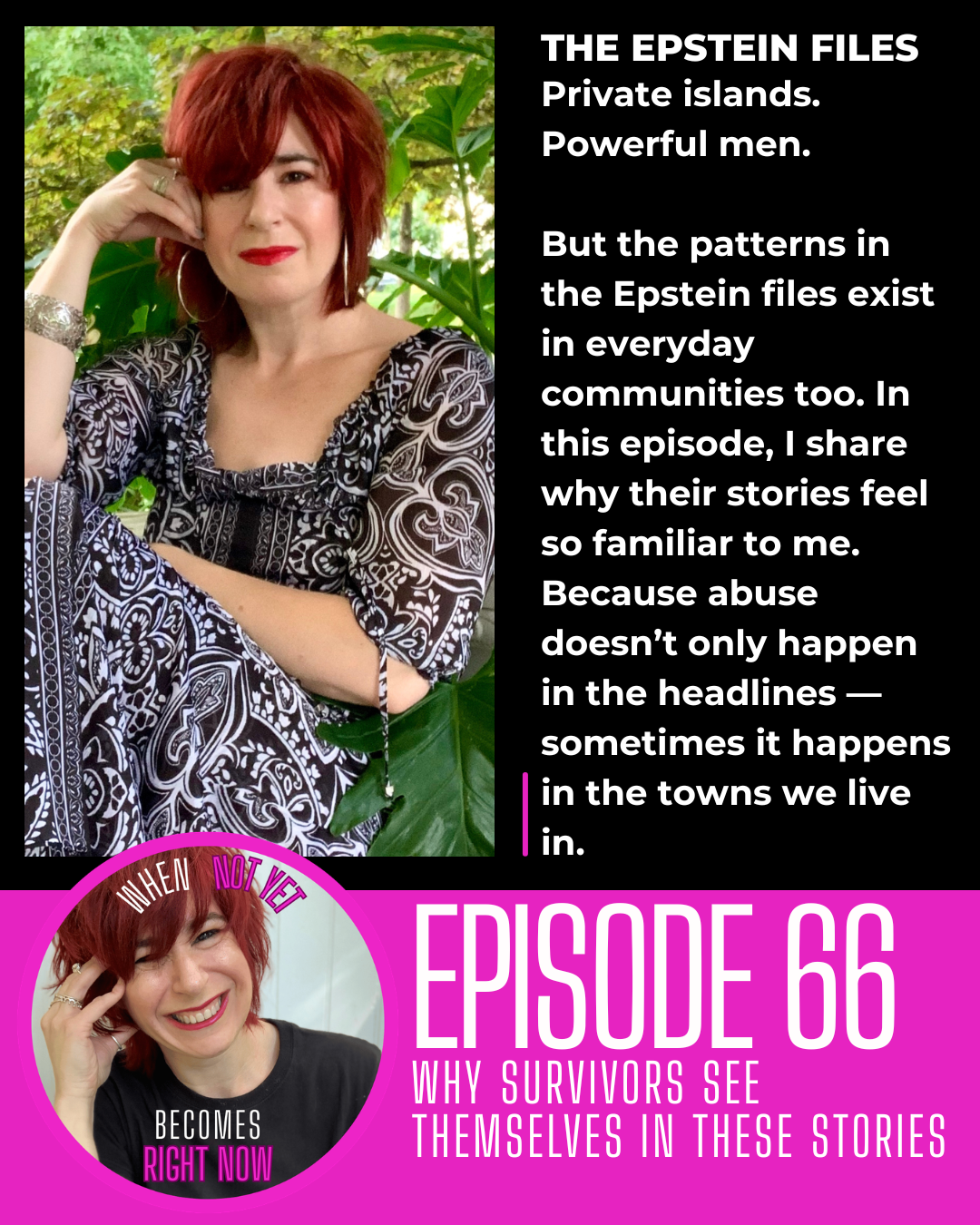
When the files connected to Jeffrey Epstein began circulating publicly, much of the conversation centered on powerful names, shocking locations and sensational headlines. For many people, the story felt distant — something that happened among the ultra-wealthy in places far removed from everyday life.
But for survivors, the details often feel painfully familiar.
In this episode, Jen explores the deeper reality behind these stories: the patterns of abuse, the impact of disbelief and the systemic failures that allow harm to continue. Through personal reflection and broader insight, she brings attention to the experiences many survivors recognize all too well — even when their stories never make national headlines.
When Abuse Happens in Plain Sight
Public discussions about high-profile cases often focus on extreme circumstances. Private jets, exclusive properties and powerful social circles can make these stories feel extraordinary.
Yet the underlying patterns are not rare.
Grooming, manipulation and abuse often occur gradually, beginning with trust and attention before crossing boundaries. These dynamics can unfold anywhere — within families, communities, schools and institutions.
What makes many cases even more painful for survivors is not only the abuse itself but what happens afterward.
The Impact of Disbelief
One of the most devastating experiences many survivors face is not being believed.
When someone speaks up about abuse, they may encounter doubt, dismissal or even ridicule. Communities sometimes protect reputations rather than confront uncomfortable truths. This silence can deepen trauma, leaving survivors feeling isolated and questioning their own reality.
For many people who have lived through abuse, watching similar stories unfold publicly can be both validating and triggering. The recognition of familiar patterns can bring long-buried memories and emotions to the surface.
Understanding the Long-Term Effects of Trauma
Abuse does not simply end when the events stop. Its impact often carries forward for years or decades.
Many survivors experience symptoms of complex trauma, including hypervigilance, emotional dysregulation and difficulty trusting others. This condition, often referred to as Complex PTSD, develops from prolonged exposure to trauma and can shape how a person navigates relationships, safety and identity.
Understanding these long-term effects is essential for supporting survivors with compassion rather than judgment.
Breaking the Cycle of Silence
A recurring theme in many abuse cases is the cycle of silence that surrounds them. Systems meant to protect people sometimes fail due to denial, fear or power imbalances.
Breaking that cycle begins with awareness.
Listening to survivors without defensiveness, acknowledging their experiences and creating environments where people feel safe speaking up are crucial steps toward change.
Why Believing Survivors Matters
Believing survivors does not require having every answer or detail. It simply means responding with empathy rather than skepticism.
For many survivors, hearing the words “I believe you” can be profoundly healing. Those words can help counteract years of doubt, shame and isolation.
Conversations like this episode aim to bring attention to these realities and encourage a more supportive response when people share their stories.
Support for Survivors
If this topic resonates with you or brings up difficult feelings, support is available.
Rape, Abuse & Incest National Network (RAINN) operates the National Sexual Assault Hotline and offers confidential support, resources and guidance for survivors and their loved ones. Their mission is to stop sexual violence by supporting survivors, holding perpetrators accountable and creating safer communities.
You can learn more or access resources at https://rainn.org
Continuing the Conversation
Discussions about abuse and accountability can be difficult, but they are necessary. By listening to survivors, raising awareness and challenging systems that allow harm to persist, communities can move toward greater understanding and protection for those who need it most.
If you found this episode meaningful, consider sharing it with someone who may benefit from the conversation. Awareness and compassion are powerful steps toward change.

Podcast Host/Founder of My Moody Monster
Jennifer is a single mom and entrepreneur who lives with Complex PTSD and Major Depressive Disorder from childhood trauma. Throughout her life, Jen has learned valuable coping skills and has made it her mission to help others to better understand their own emotions.
Jen has faced obstacles in her healing journey - from becoming a mother without a healthy parental model of her own to overcoming her inner saboteur while coping with the symptoms of CPTSD and Depression. She has spent the last 4 years developing My Moody Monster - a pull apart plush toy that has helped children to get out their frustrations in a safe way and giving families a tool to talk about emotions and communication.
Jen believes by sharing her own story she can help others to know they are not alone. Her YouTube channel features her Moody Talks focusing on an emotion each month and teaching coping skills that have helped her with her own mental health.
After being featured on multiple mental health and parenting podcasts, Jen had a powerful realization: her story of pushing away the hard work of facing her trauma was just one journey, and there are countless other journeys out there—each just as important and impactful. This is what inspired her to create "When Not Yet Becomes Right Now", a space for exploring the many different paths we take in life.
Wise Women: Rise, Empower, Thrive with Suzy Kratzig